
by Lucianna Chixaro Ramos
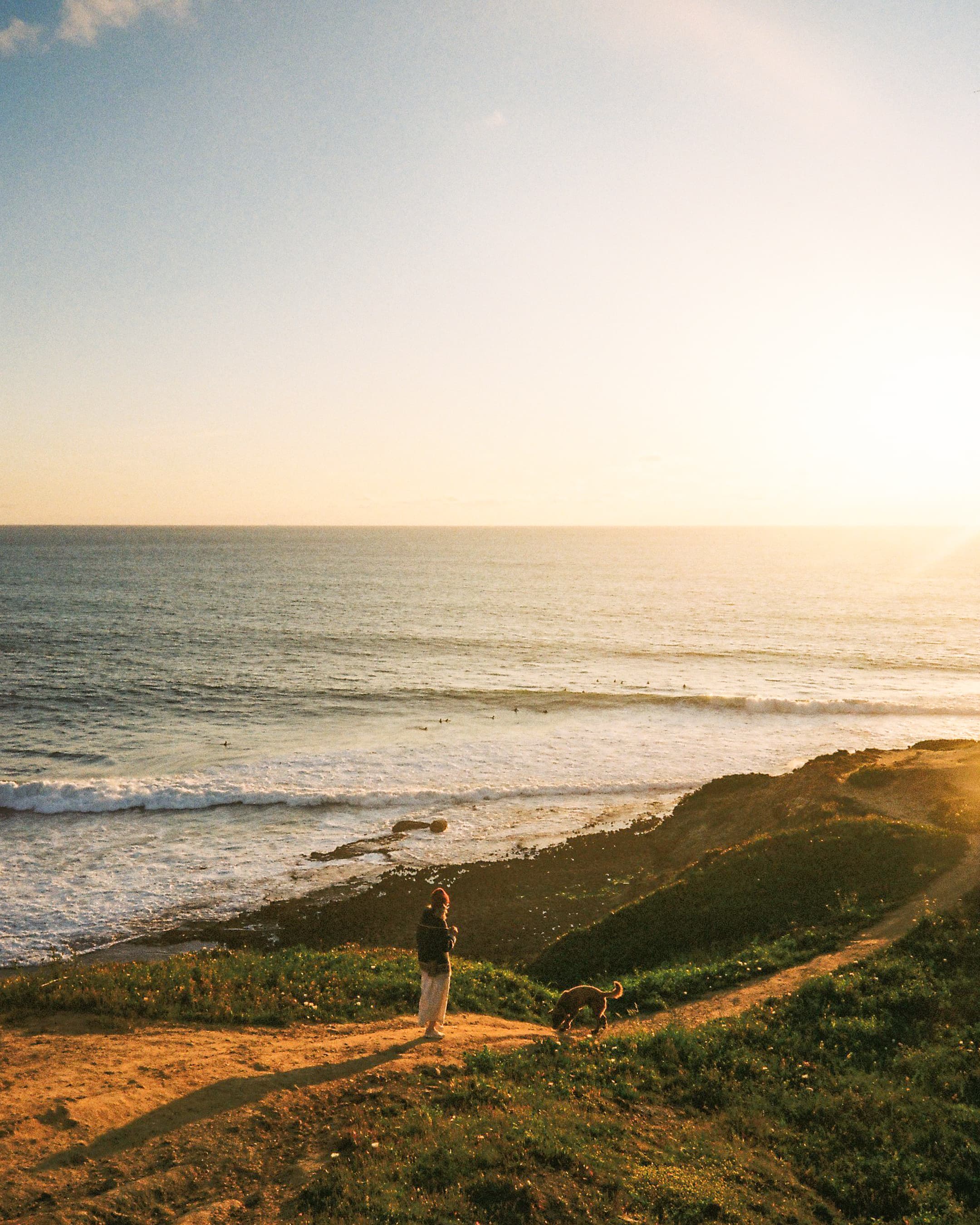
Picture this: it’s early morning and steam is rising from your freshly made cup of coffee. You open your laptop to the sound of the ocean. A gentle seabreeze glides through the room. Soon you’ll be sharing lunch with a global community of remote workers. Like you, they’ve traded busy city lives for a slower pace, friendly faces, and the occasional sunset surf session.
If that’s not what your workdays currently look like, don’t stress. Tens of thousands of digital nomads were once location-bound commuters, too. So, whether you’re plotting your first long-term stay abroad or scouting your next base, this guide will take you from curious to comfortably editing slide decks on the Portuguese coast.
CONTENTS
WHY DO DIGITAL NOMADS CHOOSE PORTUGAL?
COLIVING IN PORTUGAL: WHAT IT MEANS AND HOW IT WORKS
COLIVING & COWORKING: THE PERFECT PAIRING
WHAT DOES A TYPICAL DAY AT A PORTUGAL COLIVING LOOK LIKE
THE PRACTICALITIES: WHAT TO KNOW BEFORE YOU GO
FREQUENTLY ASKED QUESTIONS
WHY DO DIGITAL NOMADS CHOOSE PORTUGAL?
Portugal didn’t become a digital nomad hub because of a visa. Remote workers originally flocked to its sunny shores because it’s a cheaper alternative to other European hotspots like Barcelona and Berlin. But there’s more to it than €2 coffees and spending Octobers at the beach.
Portugal welcomes digital nomads & remote workers.
Portugal has been showing up on lists for remote workers for years now. But why? Despite immigration law changes in recent years, Portugal now offers visa options for digital nomads looking for short or long-term stays. Enter the D8 Visa.
The D8 visa allows digital nomads to live and work in Portugal for at least one year. It’s meant for nomads, freelancers, and remote workers who make at least €3,680 per month. Unlike many other EU visa options, the D8 offers nomads a chance to settle down (if they want to). When applying, you can choose whether you prefer to have the right to obtain a permanent residence permit after two years, and citizenship after seven or ten years, depending on your country of origin.*
So yeah, there’s paperwork. But it’s not as scary as it sounds.
And if you happen to fall in love with Portugal and decide to stay, no problem. There’s a pathway.
*Since immigration laws change, please make sure to check the current AIMA guidance at https://aima.gov.pt/.
The weather is actually pretty nice…

Summer here feels different. In fact, mild weather year-round means you won’t be pacing indoors waiting for spring. Especially in the mid- to southern part of the country—think Lisbon, Ericeira, and surrounding areas—summers are dry, warm, and comfortable, while winters tend to be rainy, but only lightly chilly. Ericeira, a surf and coliving hotspot just north of Lisbon, gets over 300 sunny days per year.
No wonder Ericeira is considered to be the surf capital of Portugal.
But it’s more than that. When the weather warms up, the whole country comes alive with nonstop festivals, traditional festas (each town’s own holiday), outdoor markets, and guided hikes. Everywhere you go, you’ll see restaurants setting out their tables streetside. You’ll get caught up in the reverie when music starts echoing down narrow streets and kids run through town past midnight, making memories along the way.
The cost of living in Portugal is actually affordable for many remote workers.
Like many other European destinations, the cost of living in Portugal has risen over the past few years. Still, Portugal remains an affordable option for digital nomads on a budget. While the average cost of living in metropolitan areas like Lisbon and Porto has increased sharply to between €1,700 and €2,200 per month for basic accommodations, Portugal’s rural coastal towns offer a cheaper but no less attractive alternative to city living.
For digital nomads looking for coworking and coliving setups in Portugal, coastal towns like Ericeira offer residents solid Wi-Fi, a slower pace of life, and plenty of opportunities to get outdoors and meet new friends.
Yes, it’s safe, connected, and community-focused.
Portugal consistently ranks as one of Europe’s safest countries. English is widely spoken, which means digital nomads who are still learning Portuguese won’t struggle to order a meal or hold a conversation in most towns and cities. Internet speeds are generally strong, even outside of urban areas. Due to the country’s increased popularity as a digital nomad hotspot, coliving and coworking spaces in Portugal are becoming increasingly common.
Not all coliving and coworking spaces are created equal, though. If you’re considering a coliving stay in Portugal, there are a few things to consider before hitting that Book Now button.
COLIVING IN PORTUGAL: WHAT IT MEANS AND HOW IT WORKS
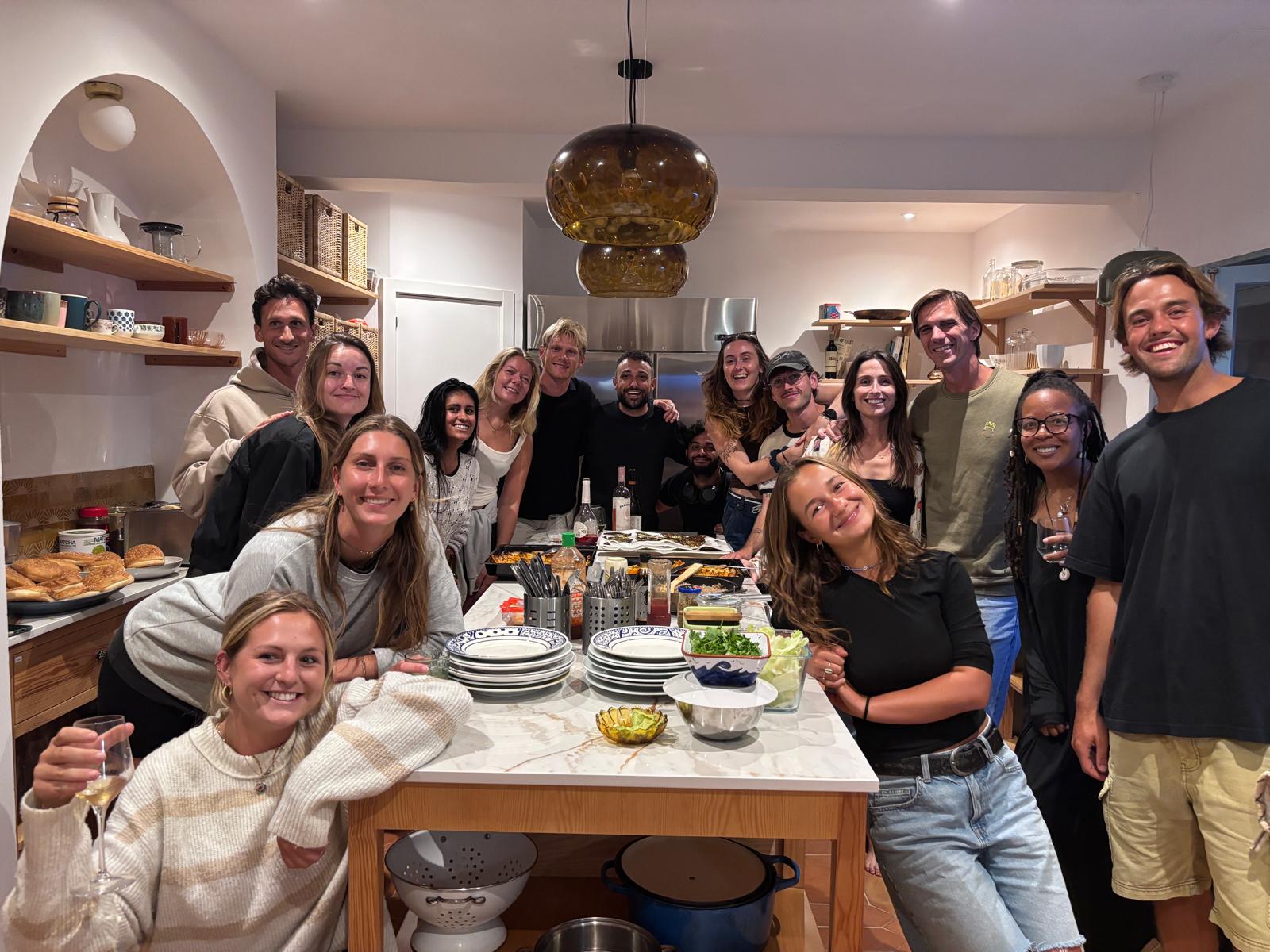
Let’s be specific: coliving isn’t just shared housing. That could be your college dorm room. Or a hostel with one shared bath per floor. Ideally, a coliving space is an intentional community that brings people together and gives you what you need to actually get work done. Essentially, a coliving space should help you work well and socialize without burning out.
In Portuguese coliving spaces—like Wild Souls Coliving, for instance—you can expect:
Fast, reliable Wi-Fi and coworking areas
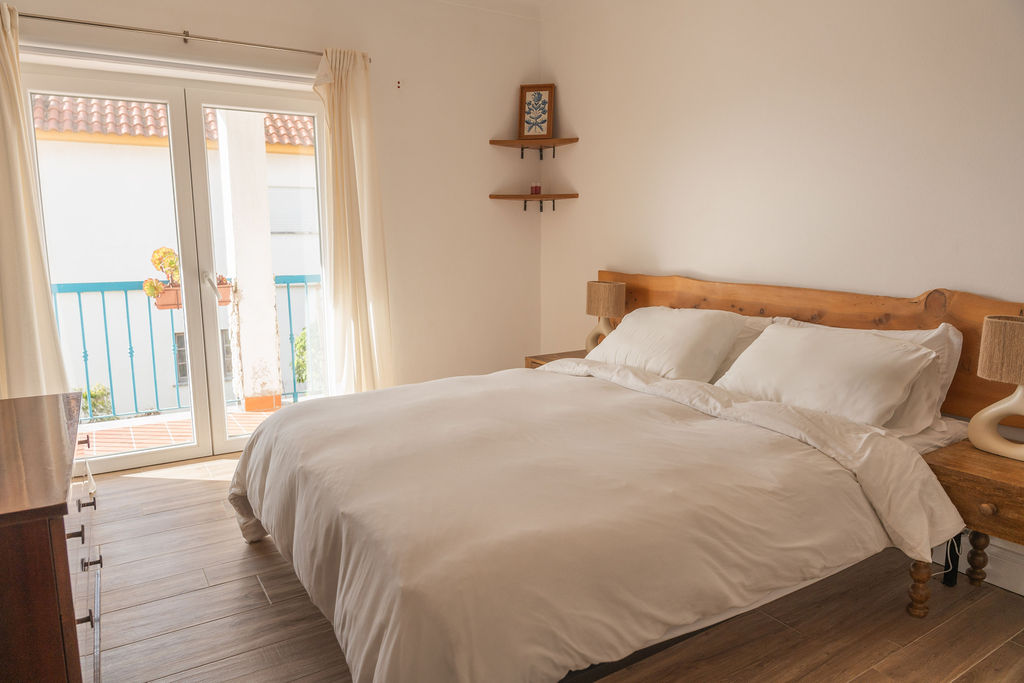
Fully furnished rooms (& often private ensuite options)
Shared kitchens and common living spaces
Local social events, outings, and classes
A timezone that easily overlaps with other major remote working hubs (making scheduling calls that much easier)
A blend of short-term and longer stays for digital nomads, creatives, and remote professionals alike
This attention to detail and level of care is what makes coliving experiences more enjoyable than those at hostels and AirBnBs. It’s like the difference between just booking a room and being invited to dinner.
Coliving spaces are designed to support both work and connection. For digital nomads, that built-in social life generally means a smoother transition from one country to the next. You’ll feel like your friends are just waiting for you.
What’s the best city in Portugal for digital nomads looking for the coliving experience?
OK, let’s get real. Choosing your next base as a location-independent worker can be daunting. There’s no guarantee you’ll love your next temporary home, but there are some things you should keep in mind before you book that flight and room. Cost of living is a big one, and in urban areas like Lisbon and Porto, living costs can skyrocket, shrinking your budget for nights out, classes, and weekend day trips.
You should also ask yourself what you’re looking to improve by setting up a new base. Are you looking for a big nightlife scene and to attend large events? If so, an urban stay might be the best for you. On the other hand, if ongoing traffic and hordes of pub-crawling tourists echoing through the night isn’t for you, there’s good news—there’s more to life than the rush of Lisbon.
If a chilled-down, feet-in-the-sand at happy hour vibe is more your scene, head to Ericeira, Portugal’s surf capital and digital nomad haven. As a surf and remote worker hub, there are many Ericeira guesthouses available for short- or long-term stays. It’s much more affordable than urban centers like Lisbon and Porto. As soon as you arrive, you’ll be ready to slow down, hit the beach, and explore the beautiful cliffsides.
Ericeira: Portugal’s Coastal Nomad Magnet
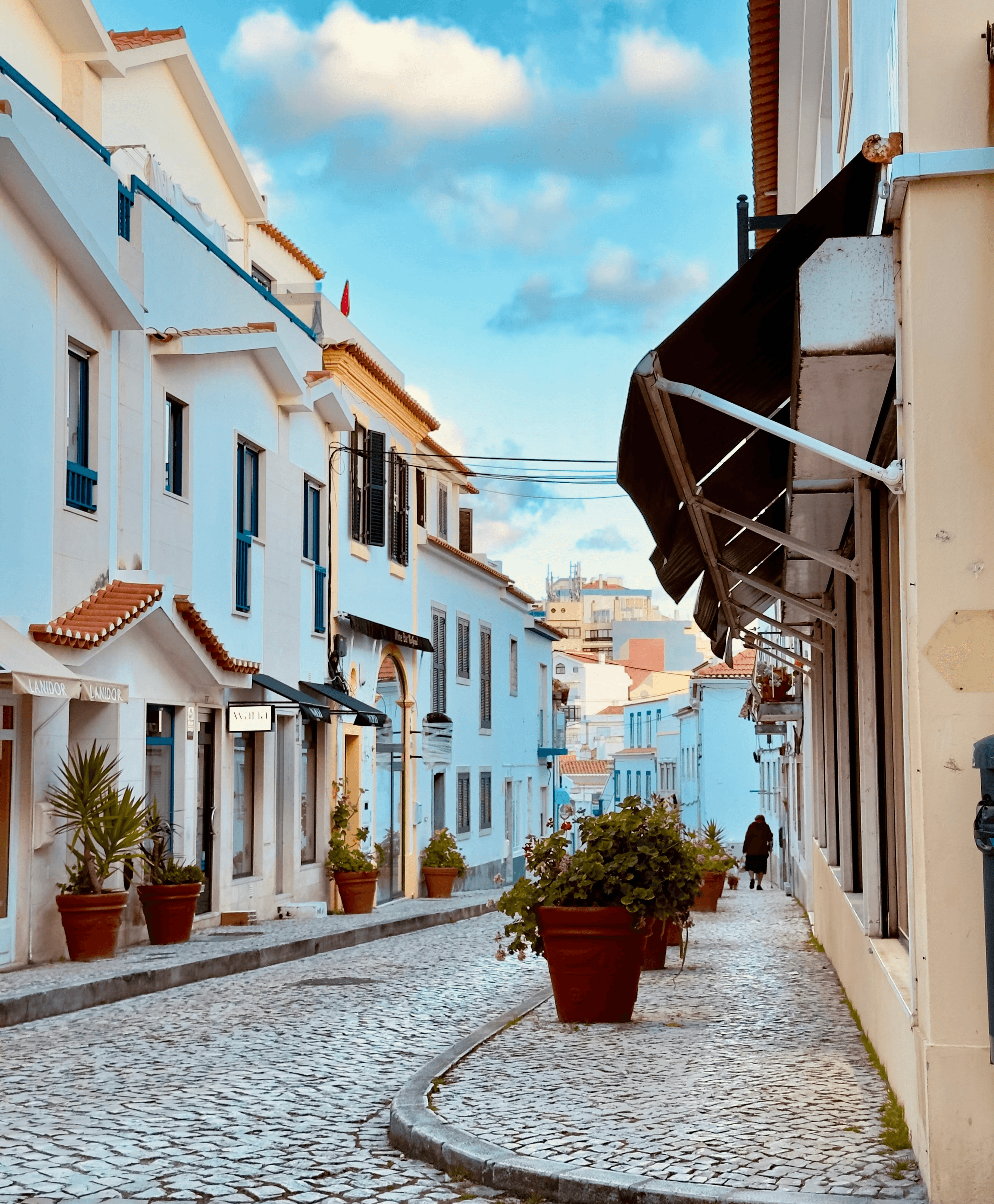
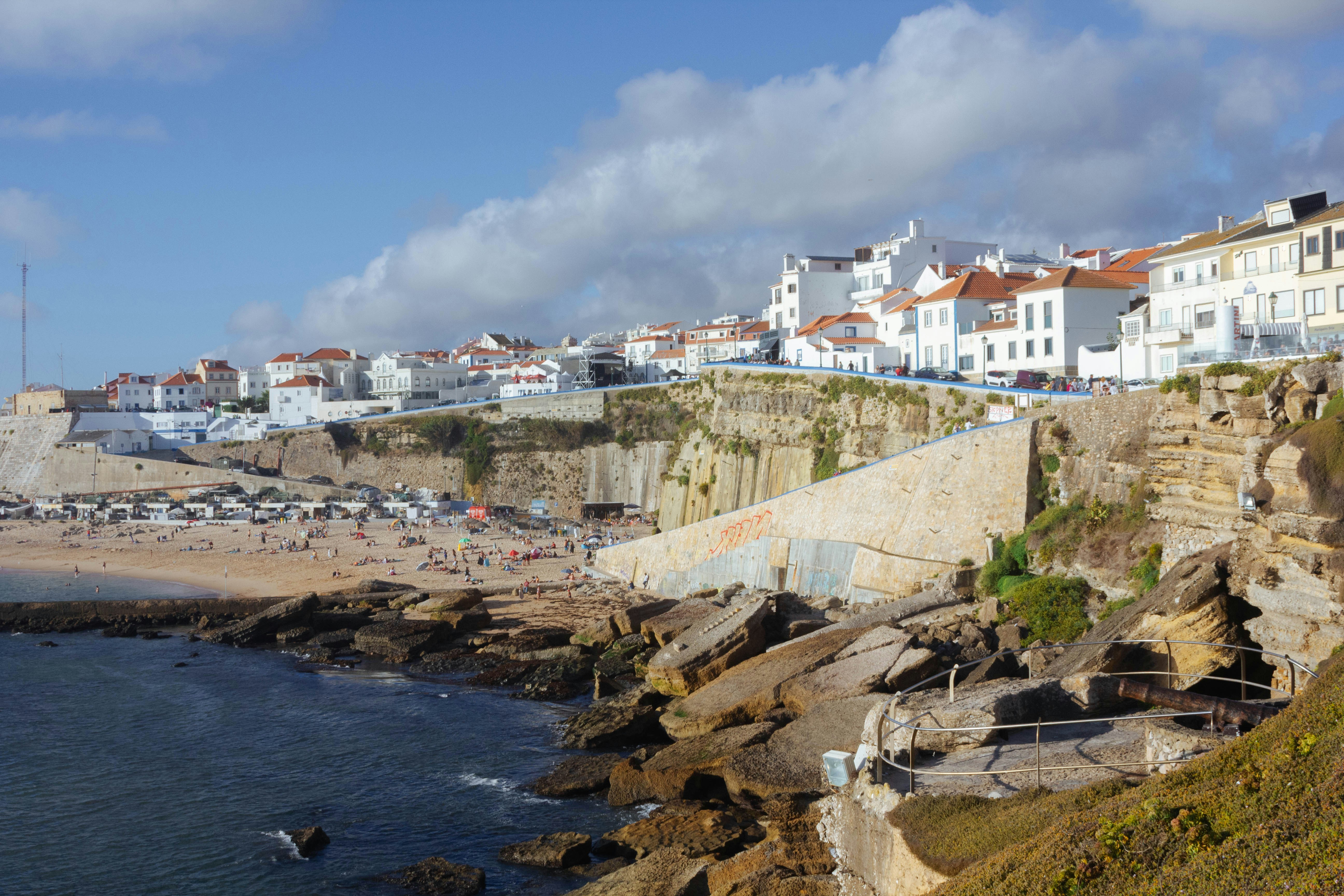
It’s not just a beach town. It’s a living, breathing hub for nomads and remote workers coliving in Portugal—and still feels authentically Portuguese. Ericeira’s surf scene, friendly vibes, and World Surf Reserve status give the town a unique identity that draws long-stay visitors year after year.
Besides the surf, what makes Ericeira special is the people. It’s the kind of place where you run into the same people at the local bakery. By week two, they’ll know your favorite pastry and maybe your life story. Often, you’ll meet another nomad who decided to quit their nomading and stay. That’s the mark of a great place to live, even if it’s just for a little while.
Ericeira’s highlights:
It’s about 45 minutes to Lisbon. Close enough for convenience, far enough to guarantee a slower pace of life.
World-class surf beaches are right in town.
A compact, walkable city center full of cafes, friendly dive spots, and one-of-a-kind shops
And aside from the unique balance between beach and business, Ericeira offers a truly global nomad community, with plenty of coworking sessions, yoga meets, and casual sunset hangs.
COLIVING & COWORKING: THE PERFECT PAIRING
Yes, Portugal is known for wine, but when it comes to finding the perfect new base, there’s another pairing you need to consider. For most digital nomads, work is still a part of daily life. A coliving setup that integrates coworking seamlessly is the ideal format for most nomads and remote workers.
Although coliving and coworking spaces exist separately from each other, booking these services separately can increase your costs and make things more complicated. Luckily, some coliving spaces integrate coworking as part of their design, so you’re only a few steps away from your office at all times.
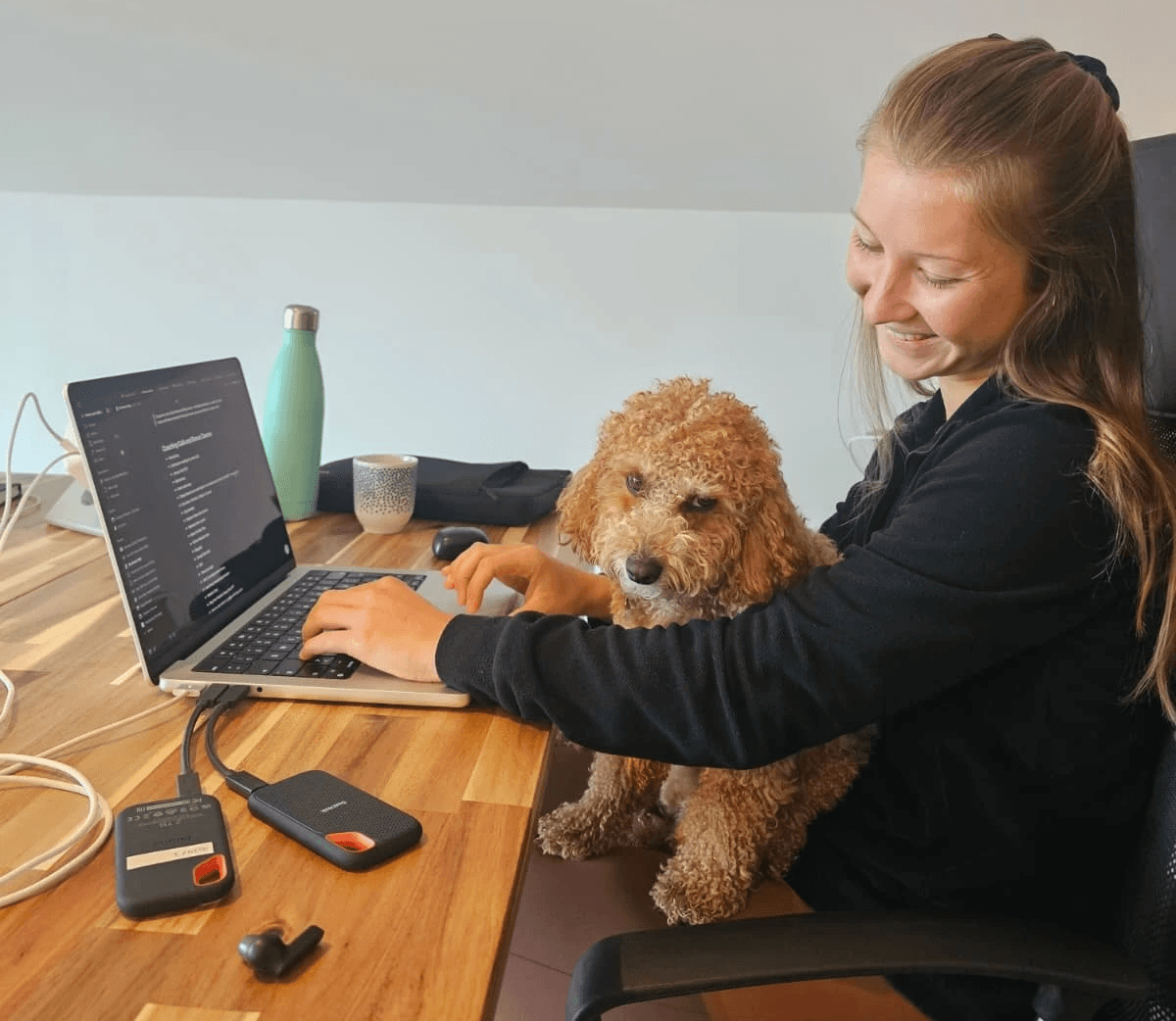
What you can expect when you choose coliving & coworking in Ericeira:
Dedicated coworking spaces either within or adjacent to your living quarters
Thoughtful features like sound-dampening phone booths
Flexible availability that caters to both part-time and full-time remote workers
Community events, shared meals, and mixers that make socializing in a new country a breeze
With a joint coliving and coworking setup in Portugal, you can simplify your jump from one country to the next without missing a beat. When you arrive, you’ll already have a place to land. Your office is ready to go, and your community is waiting for you. The challenge, then, is letting yourself relax and sync with the local tempo: morning surf, midday deep work, afternoon espresso breaks with like-minded remote workers, and evening community dinners. Not a commute in sight.
WHAT DOES A TYPICAL DAY AT A PORTUGAL COLIVING LOOK LIKE?
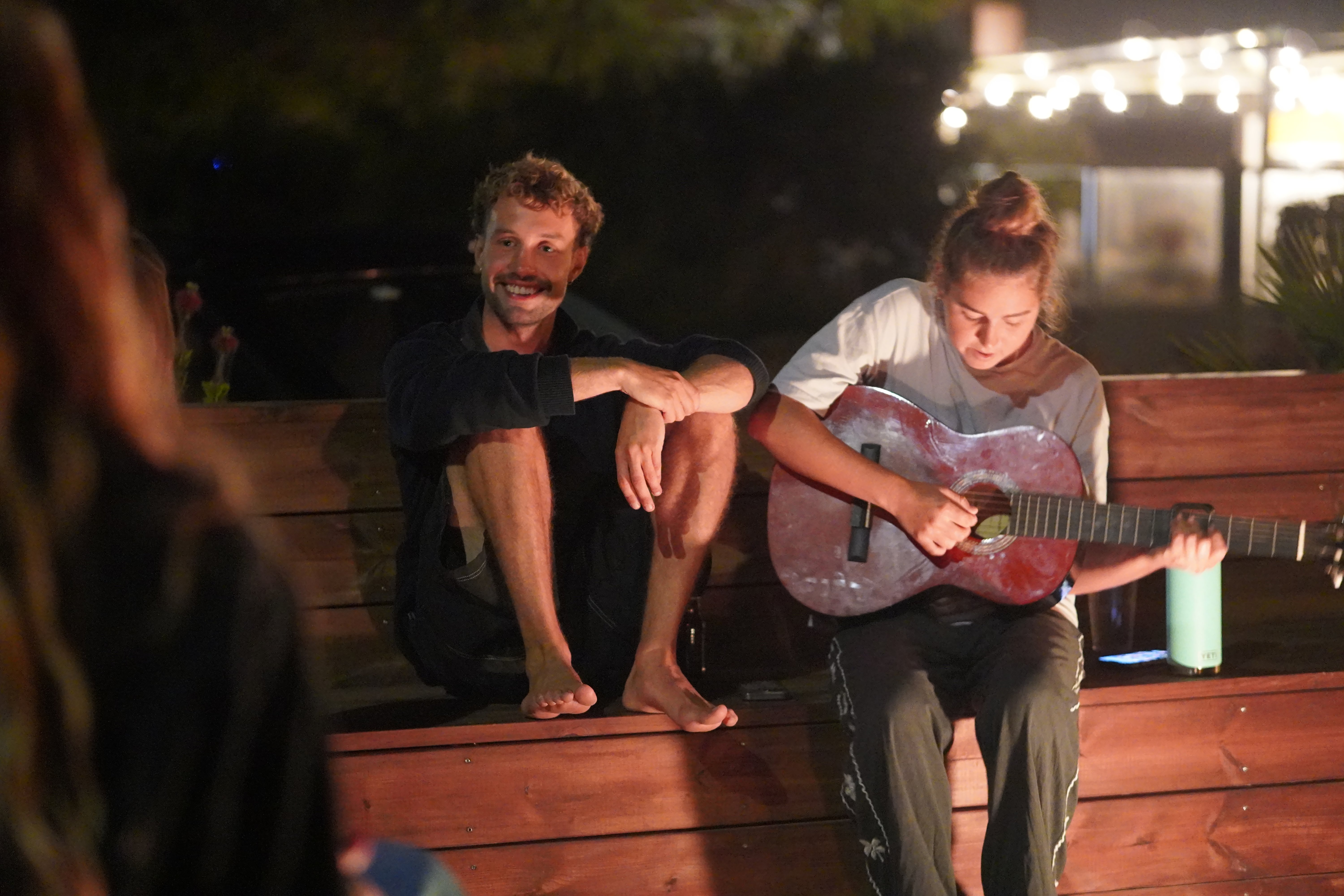
If waking up to crisp, clean sheets, the sound of waves crashing nearby, and birdsong sounds like a dream, it doesn’t have to be. It could be your day-to-day reality.
Many coastal and rural coliving spaces in Portugal emphasize the peace and calm of the countryside. For that reason, they ensure quiet hours are followed by residents during weekdays and weekends. You can count on getting enough rest to make that first morning call bright-eyed.
Coliving communities like Wild Souls in Ericeira focus on providing their residents with relaxing stays, far away from the party scene in Lisbon. (But don’t worry, if you’d like a night out on the town during your stay, Lisbon’s less than an hour away.)
Here’s what a typical day at a Portugal coliving space like Wild Souls might look like:
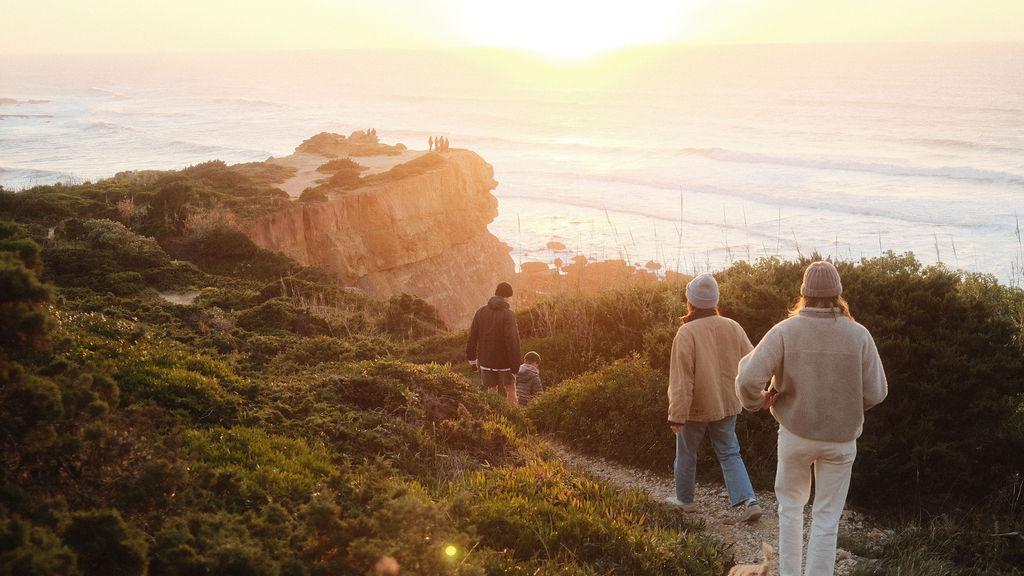
8:00 am | Morning walk along the cliffs of Praia do São Lourenço |
9:00 am | Fresh coffee and breakfast prepared in the fully-stocked kitchen |
9:30 am | Coworking with a view of the rolling countryside and the ocean |
12:30 pm | Local lunch with new friends |
5:00 pm | Wrap up the day’s work projects |
5:30 pm | Yoga class/Skill sharing session/Ceramics/Game Night |
7:00 pm | Communal dinner in the shared dining space |
8:30 pm | Hanging out by the fire pit and jacuzzi |
This easy-going and social rhythm is why many nomads extend coliving stays from two weeks to two months or more.
Can you see yourself here yet?
THE PRACTICALITIES: WHAT TO KNOW BEFORE YOU GO
Feeling excited about the possibilities? That’s normal! But let’s take a moment to recap the practical concerns digital nomads and remote workers face when looking for a longer-term stay in Portugal.
Estimated Cost of Living Breakdown*
Sadly, you can romanticize the ocean view, but not your bank account. So let’s talk about money. A basic estimated monthly budget for nomads looking to stay in a coastal or rural coliving space with amenities like 24-hour access to coworking spaces, renovated kitchens, and extra activities like yoga, ceramics, and mixers varies quite a bit depending on your preferences. Here’s the honest breakdown:
Coliving space & access to amenities | €800 - €2,400 |
Groceries & meals | €150 - €250 |
Transport | €40 - €50 |
Excursions, classes, and day trips | €200 - €300 |
Total | €1,190 - €3,050 |
Budgets range widely from around €1,200 to over €3,000, depending on the type of accommodation you choose. Wild Souls Coliving, for instance, offers a range of accommodations from a compact double room with a shared bathroom to a double ensuite room with a private balcony.
But regardless of what room type you choose, at Wild Souls, you’ll be just steps away from the breathtaking cliffs of Praia do São Lourenço.
*This cost of living breakdown was created in February 2026. Make sure to check websites like numbeo.com for up-to-date averages of common costs like groceries and rent.
Visa & Stays
As covered earlier in this guide, Portugal’s digital nomad visa and Schengen rules allow flexible long-term stays and give you a pathway to residency. But quick reminder: visa rules change, so double-check before booking anything long-term.
FEELING READY TO TAKE A CLOSER LOOK?
If this guide has you ready to hop on a flight and spend a few weeks (or months) on the sunny side of life in coastal Portugal, take a look at all that Ericeira and Wild Souls Coliving have to offer.
For a sneak peek into nomad life at this beachside escape, check out Wild Souls’ Instagram.
FREQUENTLY ASKED QUESTIONS
What is coliving?
Coliving is a modern community-focused way of living where individuals share a fully furnished home while still having a private space. Often, there are planned activities, and residents are encouraged to mingle. Think shared dinners, spontaneous surfs, and skillshares where you can learn and have fun. It’s ideal for remote workers, creatives, surfers, and anyone looking for connection and community. Many—but not all—coliving spaces offer coworking setups so that you can move from your social to your work life in just a few steps.
Is coliving in Portugal safe for solo nomads?
Short answer: yes! Longer answer: you’ll probably feel safer walking home at night here than you did in your last city. Portugal is one of Europe’s safest countries. It consistently ranks among the top 10 safest countries on the Global Peace Index. In 2025, Portugal ranked as the 7th most peaceful country in the world according to the GPI.
Will I need a car to live in Ericeira or coastal Portugal?
It’s entirely up to you. An equal number of remote workers have their own transportation as those who choose to use public transportation and ride shares. Most coliving spaces, including Wild Souls, are walkable to beaches and essentials. Another great aspect of coliving is that many residents carpool and offer rides to the supermarket, the beach, or for day trips. Having your own car is useful if you want total freedom, plan on surfing at beaches up and down the coast, or are planning on taking day trips. Renting a car in Portugal is relatively easy and inexpensive, and many nomads can legally drive with their existing driver’s licenses for a period of six months. Always check with your local driving authority to confirm rules and regulations for foreign drivers.
What’s the best season to stay in Ericeira?
Summer is predictably the most popular season for nomads and tourists in Ericeira, but spring and fall offer laid back alternatives, with pleasant weather and even better surf. Winter stays are less common as many coliving spaces shutter their operations during the rainy and chilly months between November and March.
How much does it cost to stay in a coliving community in Portugal?
It depends. Average expenses for digital nomads and remote professionals looking to stay in a coliving community in Portugal vary widely by location, accommodation type, and personal lifestyle choices. In metropolitan hubs like Lisbon and Porto, you can expect costs to soar well over €2,000 per month, particularly when it comes to accommodations. However, in rural and coastal locations like Ericeira, the cost of living ranges widely from around €1,200 to €3,000. No matter your budget, you’re likely to find a stay that suits your needs. No need to cross Portugal off your list if you’re on a tight budget—just look for rural and coastal communities outside city centers.
What’s the surf scene like in Ericeira?
Chill, but world-class. Ericeira is Europe’s only World Surfing Reserve, a designation that recognizes both wave quality and environmental protection. That means consistent Atlantic swells, a range of breaks for different skill levels, and a local culture built around respect for the ocean.
You’ll find everything from mellow beach breaks ideal for beginners to powerful reef breaks that attract experienced surfers from around the world. Beaches like Foz do Lizandro and São Julião are beginner-friendly on the right day. As a surf-conscious Ericeira guesthouse, Wild Souls Coliving encourages residents to check out the local surf culture.
How can I book a stay at Wild Souls Coliving?
It’s really easy. Booking a stay at Wild Souls is done through an online booking system directly on their site. You can see availability for the entire upcoming season. The summer season tends to fill up fast—make sure to book well in advance of your intended trip. For more information, head to the booking page or send a message via their contact form.
Lucianna Chixaro Ramos is a travel writer from Rio de Janeiro who has lived on three continents. Now based in Porto, she enjoys running creative writing workshops, exploring the city, and all that Portugal’s countryside has to offer.