Carolyn Commons
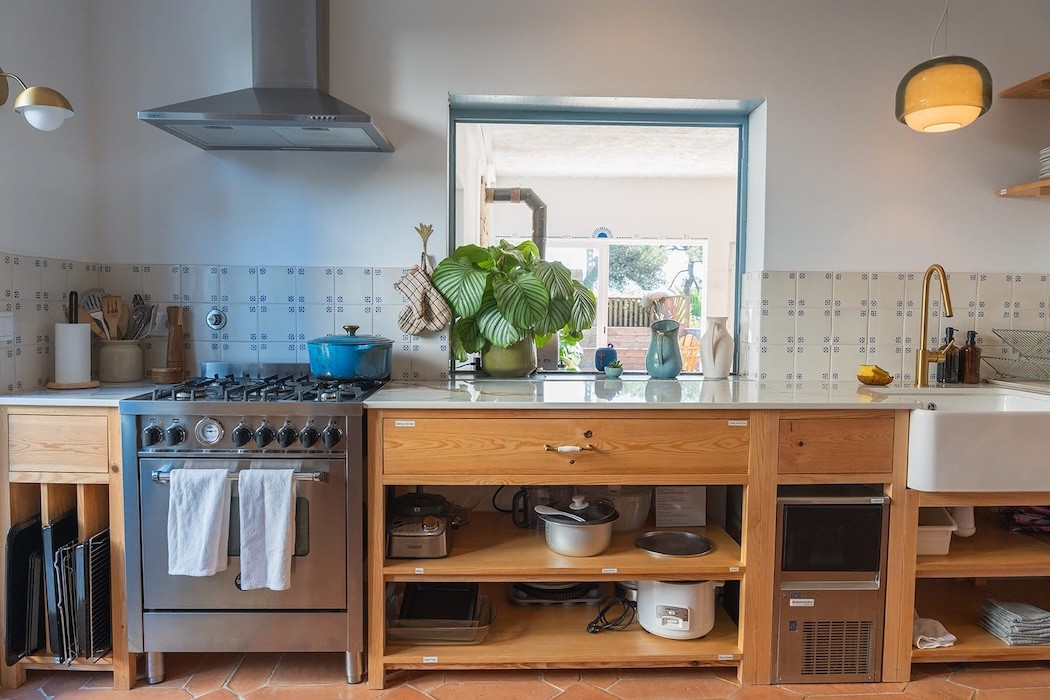
The first time a new guest walks into our kitchen, there's almost always a moment — they take in the whole open space, everything visible at once — and say something like: this is my dream kitchen. Or: I cannot believe how well stocked this is. You can actually do real cooking here.
I never get tired of that. Not because it's a compliment (though, sure, also that) — but because Nick and I built this kitchen for ourselves. We live here. So when we were deciding what went in it, we weren't imagining a guest — we were imagining us, on a Tuesday evening, wanting to cook something proper.
That distinction — building for the people who actually live here, not for a brochure — is, I think, where a lot of colivings go wrong. So if you're trying to figure out whether one is the right fit, here's what I'd actually look for.
Can you sleep there?
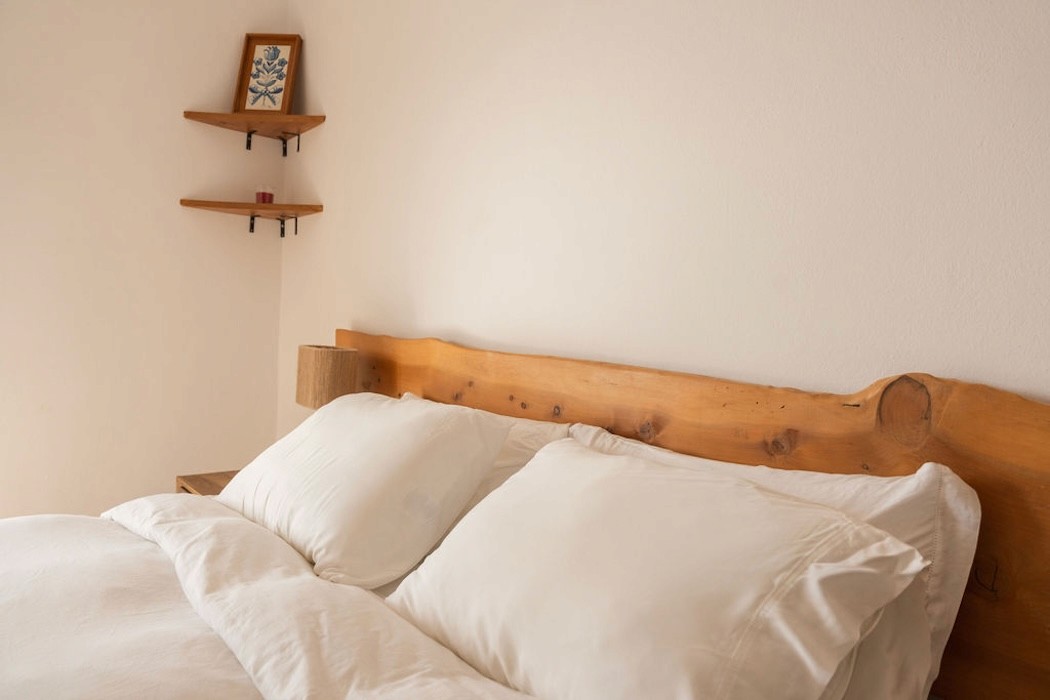
Before we opened, Nick and I ordered a few different mattress options and slept on them ourselves — in the actual rooms, across a few different nights. Then we did the same thing with pillows. It felt slightly absurd at the time. It was also absolutely the right call.
I overheard some guests in the kitchen the other week, talking amongst themselves about how relieved they were that the beds were comfortable. How nice it was to actually sleep well. I found that both sweet and a little heartbreaking — the bar has been set so low elsewhere that a good mattress feels like a bonus rather than a baseline.
Check the reviews for sleep. Ask directly if you have to. A tired version of yourself is not going to get the most out of any coliving, no matter how great the community is.
Is the kitchen somewhere you'd actually want to cook?
This one matters more than most people expect going in.
Our kitchen is open concept — you can see everything from the moment you walk in, no rummaging around required. It's stocked the way we'd want it stocked for ourselves: real knives, a decent pan, the spices you'd actually reach for, enough counter space to do something with. And because we live here too, it stays that way.
A kitchen like that quietly changes how people spend their evenings. Someone starts cooking, someone else wanders over to ask what they're making, and suddenly it's 10pm and you've been talking for two hours. It happens constantly at Wild Souls, and it almost always starts in the kitchen.
A bare, unloved kitchen does the opposite. People scatter, order delivery, eat standing over the sink. Which is fine sometimes, but it's not why you came to a coliving.
Do they take your work seriously?
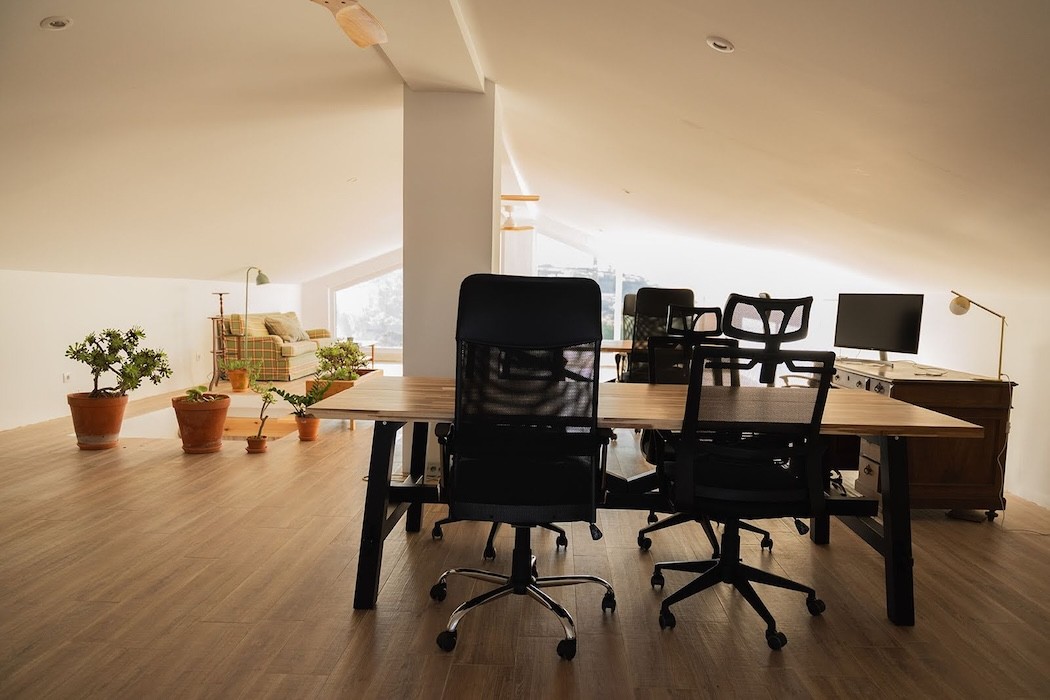
This sounds obvious, but it's easy to overlook when you're distracted by the photos of the rooftop terrace.
A good coliving coworking setup means: fast wifi that actually holds up under a full house of video calls, enough outlets that you're never hunting for one, chairs that won't wreck your back by Thursday. At Wild Souls we have dedicated hot desks, ergonomic chairs, phone booths for calls, and a softer sofa area for when you want to think rather than type. We built it for ourselves — Nick still works as a software engineer fulltime — so we care about it the way you'd care about your own office.
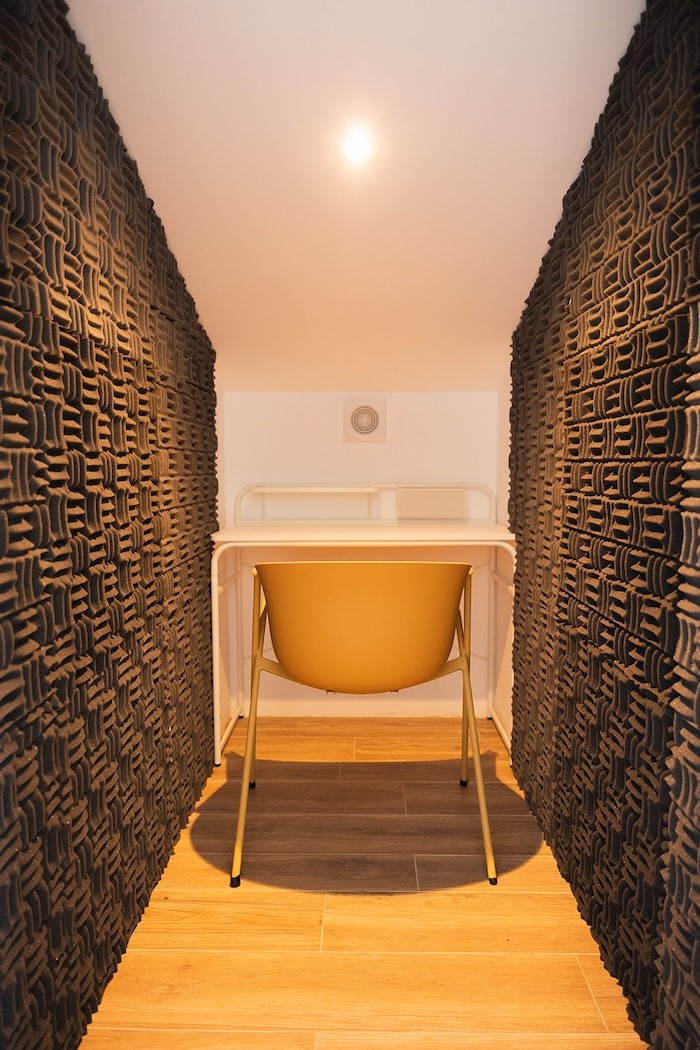
It's worth asking directly: how many people can work comfortably at once? What's the upload speed? Is there somewhere quiet for calls? The answers tell you a lot about whether anyone running the place has actually tried to work there.
Does the space make it easy to bump into people?
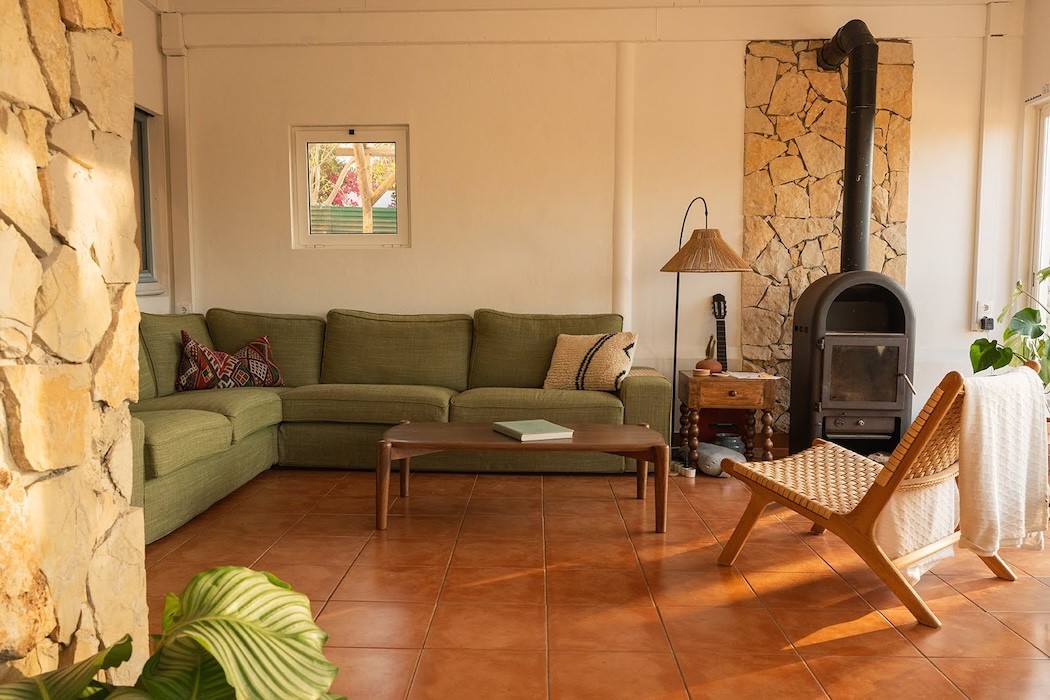
Some layouts just work, and some really don't — and it's hard to tell from photos.
What you're looking for is a space where being around other people is the path of least resistance. Where you can set up your laptop in a common area and feel like you're part of something without having to perform sociability. A guest mentioned to me recently that what he noticed most about Wild Souls was how naturally the layout brings people together — you don't have to try, you just end up there.
Long corridors and rooms that open directly to the outside can be lovely, but they can also make a coliving feel like a slightly more sociable hotel. It's worth paying attention to.
Does it feel like somewhere you could actually live?
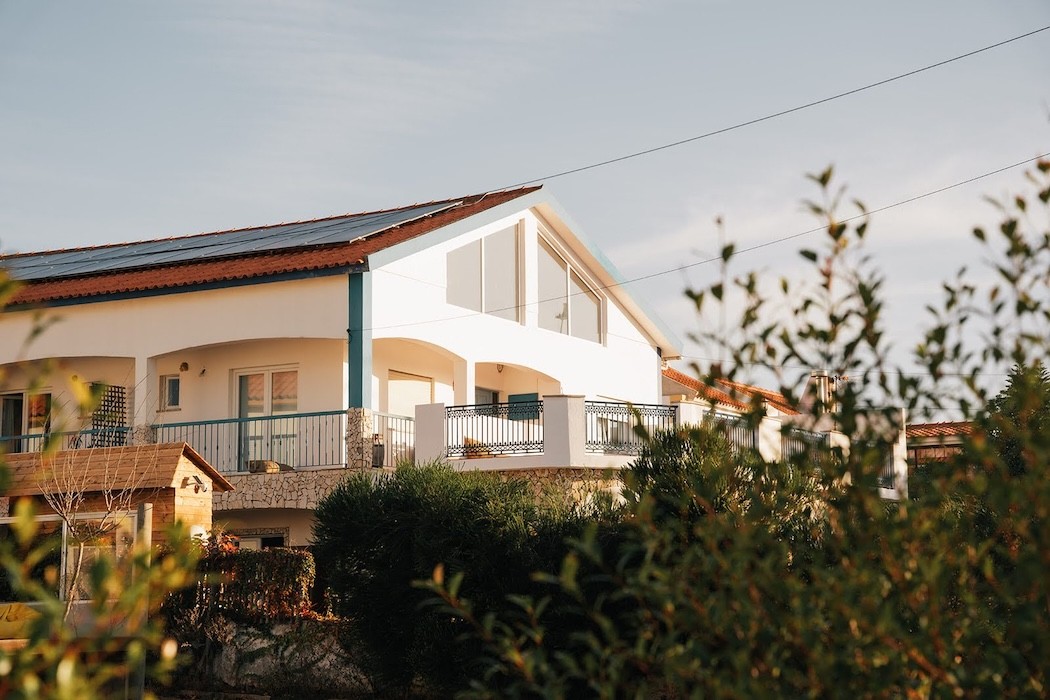
We've had a few guests come back after a few months away, and there's this moment when they walk in and sit back down on the sofa — something just settles in their face. One of them said it out loud recently: oh, it feels like I've come home.
The small choices add up. Whether the plants are alive. Whether the light is warm. Whether someone thought about what it would feel like to sit in a particular chair at the end of a long day. They tell you whether the people running the place are thinking about what it's like to actually live there — or just what it looks like in photos.
You'll probably know it when you feel it. Trust that.
And most importantly: is there actually a community there?
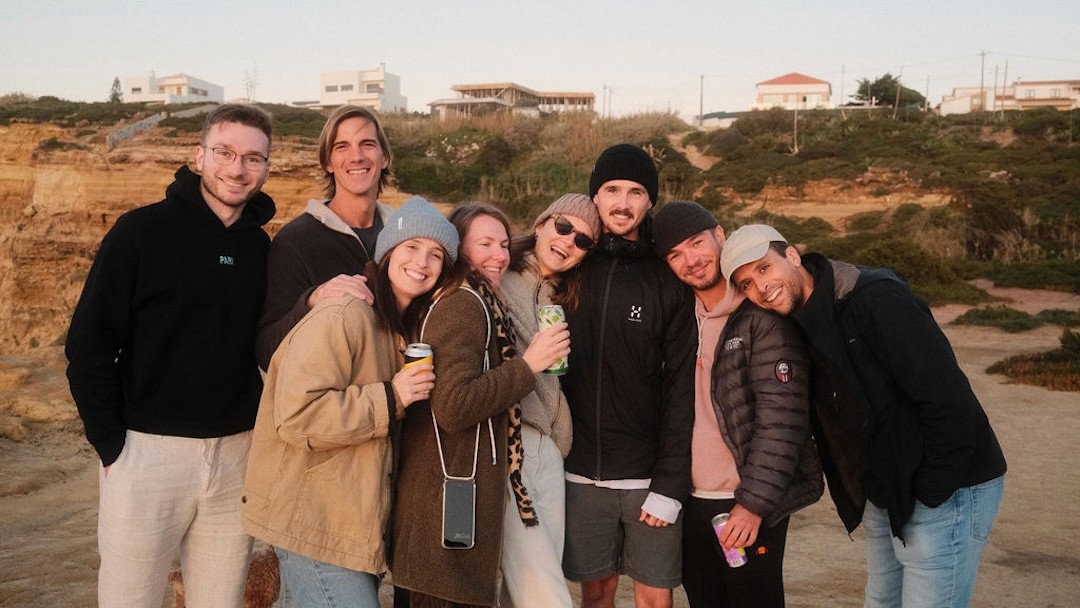
Everything above matters. But this is the one.
A coliving without real community is just a house share with better branding. What you're looking for is a place where the people staying there genuinely connect — where you end up in conversation not because it's organized but because it just happens, over dinner or in the kitchen or on the way out the door. Where someone you met on your first day becomes someone you're still talking to six months later.
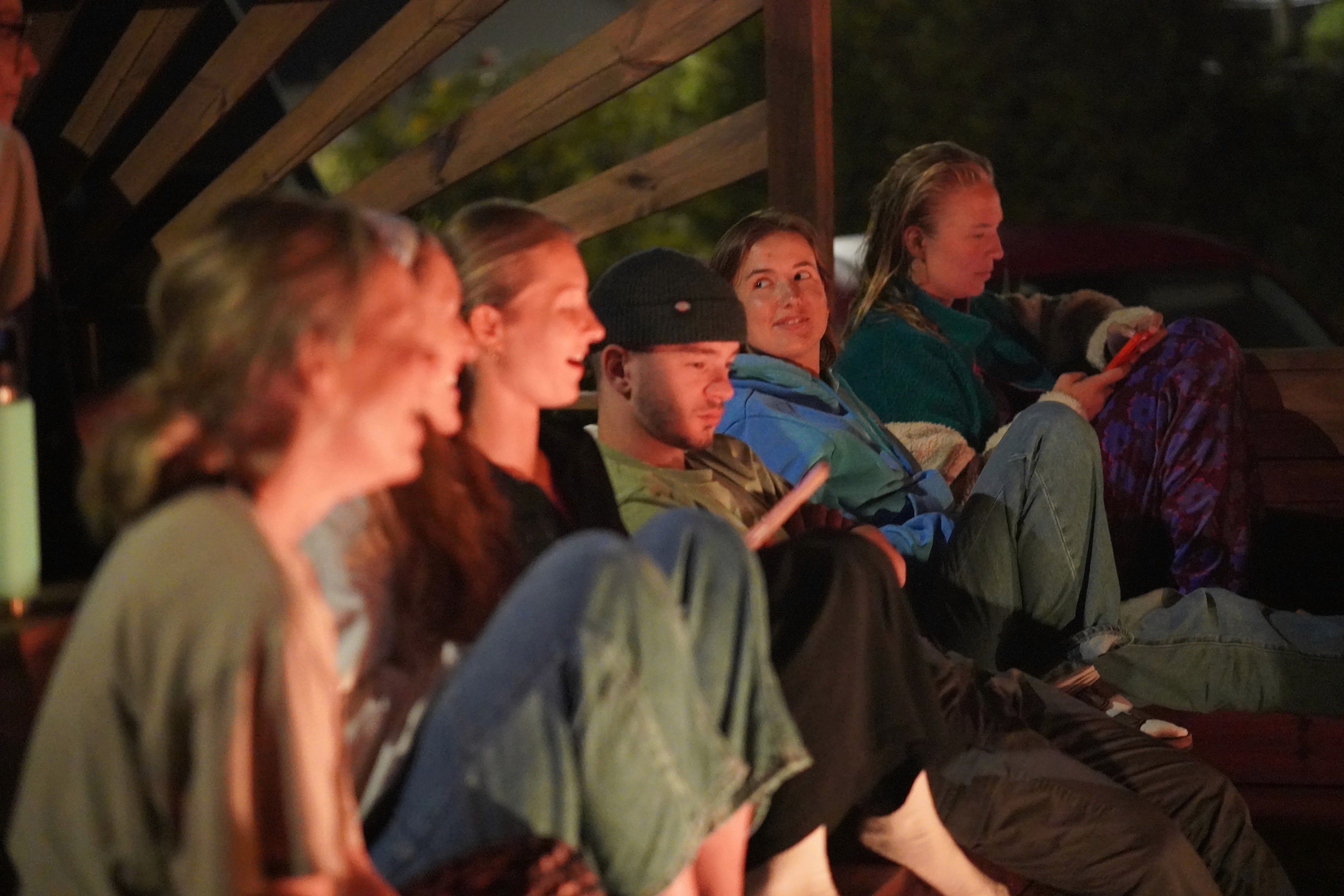
This is the hardest thing to build, and the hardest thing to evaluate from the outside. Read the reviews carefully — not just for what they say about the wifi or the beds, but for how people describe each other. Did they mention specific people by name? Did they come back? Are the hosts or managers actually present, living in the community rather than just managing it from a distance?
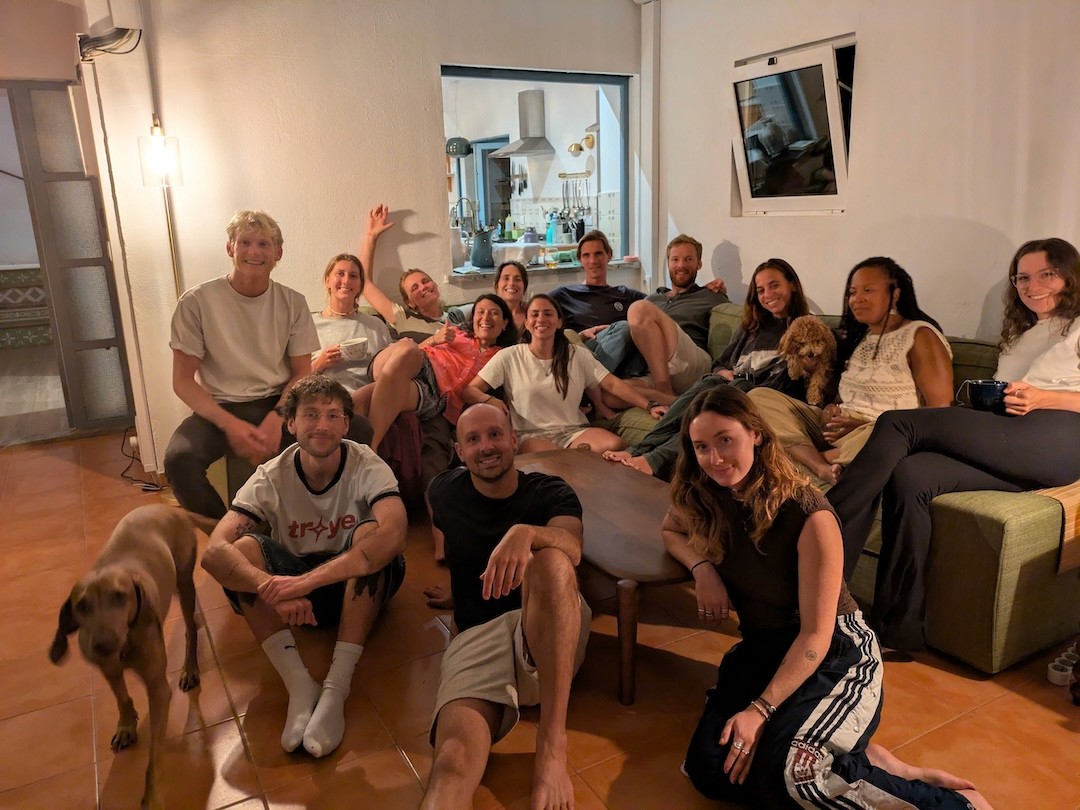
At Wild Souls, Nick and I are here. We eat with guests, we work alongside them, we introduce people we think will like each other. We started this because we wanted that kind of community for ourselves. I think that shows — but I'd tell you to check the reviews anyway.
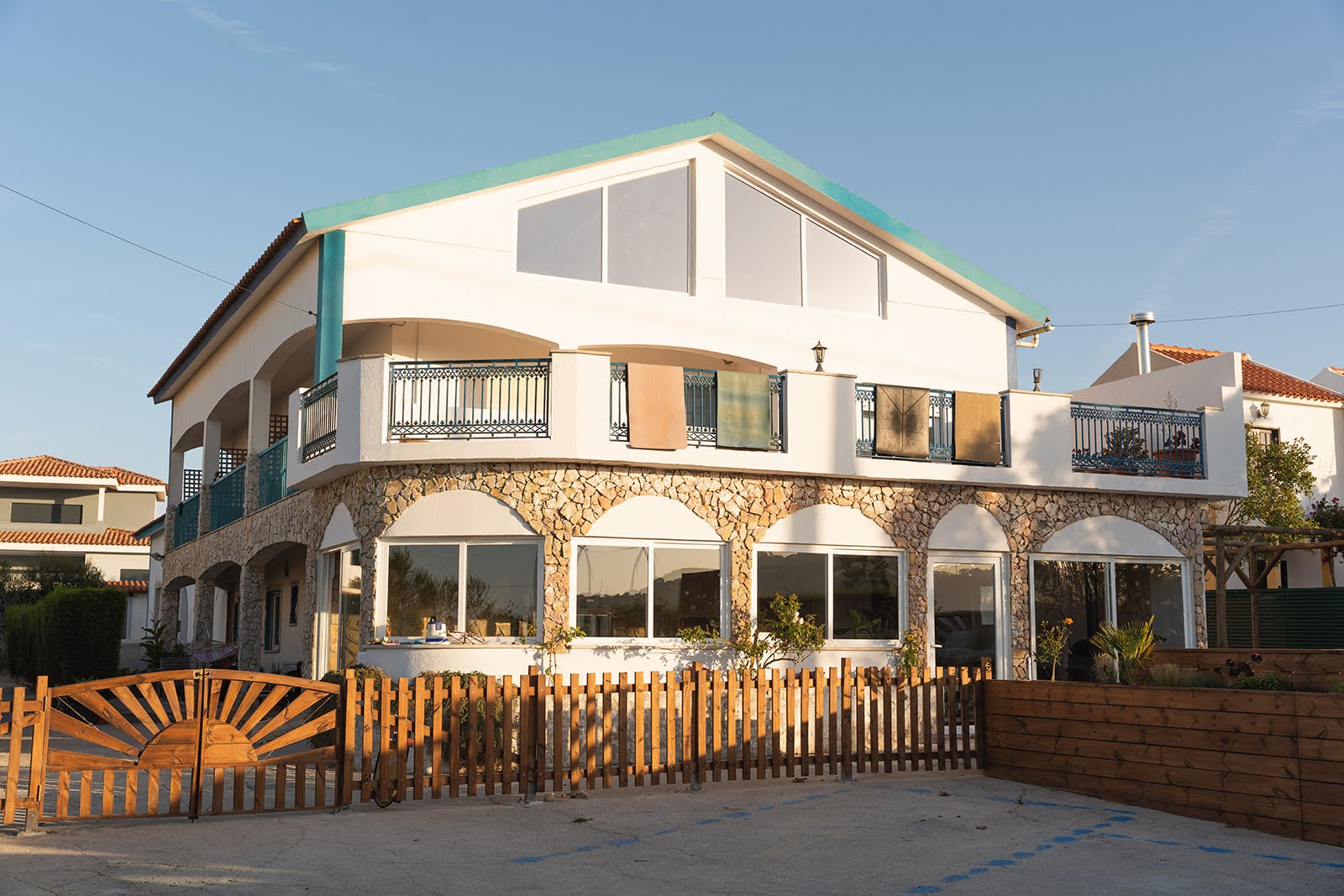
Wild Souls is a coliving in Ericeira, Portugal, for remote workers who want real community, good sleep, and a kitchen worth cooking in. We just reopened for the season — a mix of returning faces and first-timers — and we have a few rooms left.
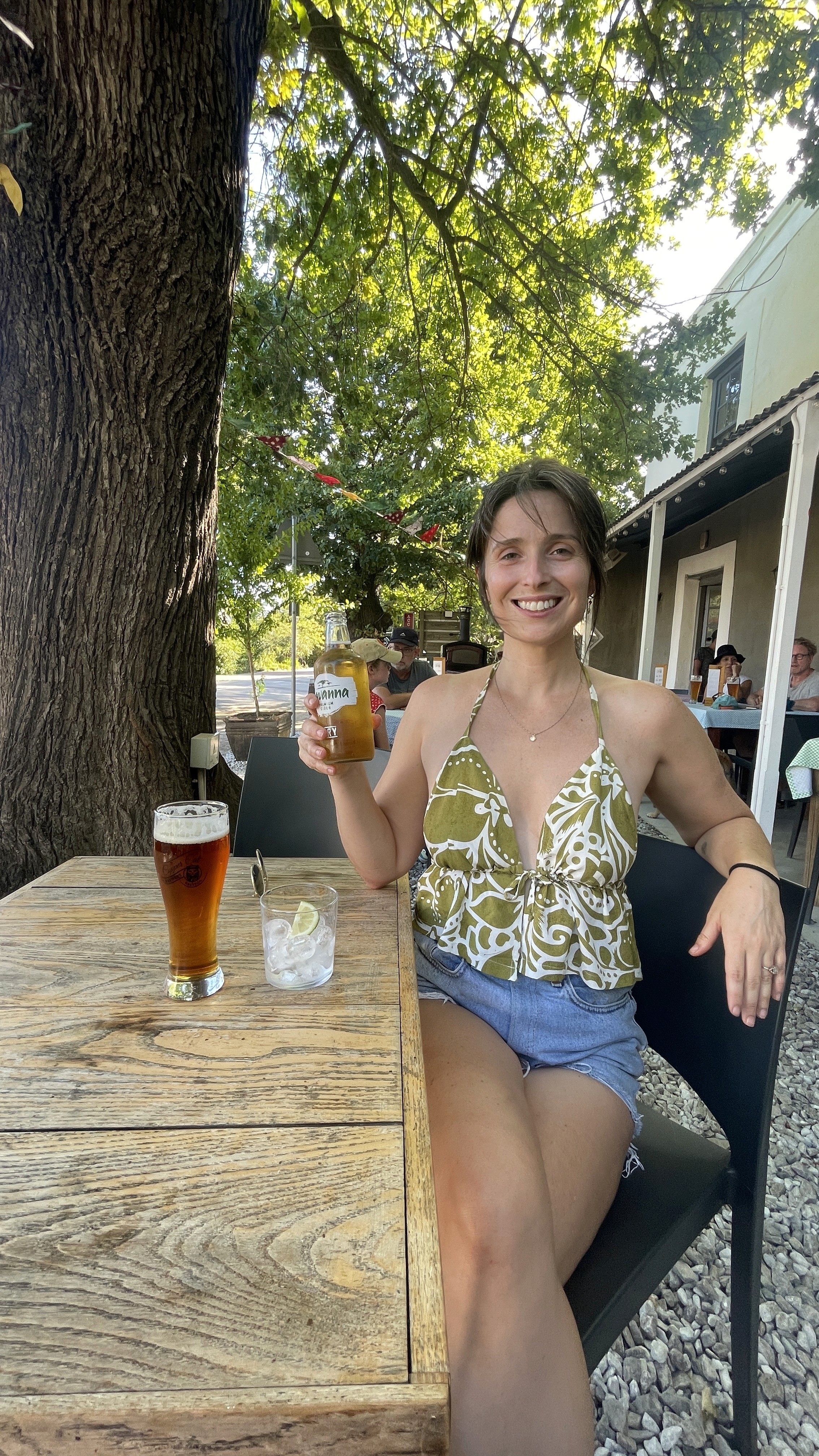
Carolyn is the co-founder of Wild Souls Coliving. She's been working remotely for over a decade and built Wild Souls with her partner Nick after years of living and working across time zones — convinced that the working remotely could be done with more warmth, more intention, and significantly better food. She writes about community, slow living, and what it actually looks like to build a life around community and flexibility.